
يُعد التخزين الاحتياطي لخوادم Plex أمرًا ضروريًا لحماية ملفاتك الوسائطية من الفقدان. يشعر العديد من المستخدمين بالإحباط وخيبة الأمل عندما تختفي مكتبتهم بالكامل بسبب مشكلات في الخادم أو أخطاء غير مقصودة.
جميع المكتبات قد فُقدت!! لا أرى سوى خيارات Plex عبر الإنترنت، لكن قائمة المشاهدة الخاصة بي لا تزال موجودة. بعد أن أعدت تعيين كلمة المرور وقمت بتسجيل الخروج من جميع الأجهزة، اختفى كل شيء، حتى الخادم الخاص بي بالكامل! هذا خطأ فادح ويؤلمني كثيرًا. الآن مستخدميّ مستاؤون، وسيستغرق الأمر شهورًا لإصلاح مكتباتي.
تشمل الأسباب الشائعة لفقدان البيانات ما يلي:
تلف قاعدة البيانات الرئيسية لـ Plex Media Server، خاصةً إذا تم إيقاف تشغيل الخادم بطريقة غير صحيحة.
تحدث أخطاء في قاعدة البيانات عندما يعمل الخادم على مشاركات الشبكة ولا يتم إغلاقه بشكل صحيح.
يمكن أن يؤدي تطبيق التخزين المتكرر لخوادم Plex إلى تجنب هذه المشكلات وحماية مجموعتك الإعلامية القيمة. وتوفر الحلول المخصصة للمؤسسات، مثل XTT TS657V2، أجهزة قوية مصممة للمستخدمين الذين يحتاجون إلى أداء موثوق وقابلية للتوسع لبيئات Plex الخاصة بهم.
الوجبات الرئيسية
يساعد التخزين الاحتياطي في حماية مكتبة الوسائط الخاصة بـ Plex من فقدان البيانات. ويمكنك الحفاظ على أمان ملفاتك الإعلامية من خلال استخدام تقنية RAID وأجهزة التخزين المرتبطة بالشبكة (NAS) وإجراء عمليات النسخ الاحتياطي بانتظام.
اختر الأجهزة التي تتناسب مع حجم مكتبتك واحتياجات المستخدمين. تساعد المعالجات السريعة ومساحة التخزين الكافية على تحسين أداء البث المباشر وضمان سير العمل بسلاسة.
الصيانة أمر مهم. إجراء الفحوصات الصحية، وتحسين قواعد البيانات، واختبار النسخ الاحتياطية لمنع حدوث المشكلات وإصلاحها بسرعة في حال حدوث أي خطأ.
اختر مستوى RAID يناسب احتياجاتك. يمكن أن تساعدك مستويات RAID 1 أو 5 أو 6 في حالة تعطل أحد محركات الأقراص. تجنب استخدام RAID 0 لأنه قد يتسبب في فقدان كمية كبيرة من البيانات.
اجعل عمليات النسخ الاحتياطي تتم تلقائيًا وراقب الخادم الخاص بك. استخدم البرامج النصية لإجراء النسخ الاحتياطي بشكل متكرر، واستخدم الأدوات للتحقق من حالة الخادم. وهذا يساعد على ضمان أن تكون ملفاتك جاهزة للاستخدام دائمًا.
تقييم احتياجاتك من سعة التخزين

حجم المكتبة ونموها
يجب أولاً تحديد حجم مكتبة Plex الخاصة بك. إذا كان لديك الكثير من الأفلام أو المسلسلات، فستحتاج إلى مساحة أكبر. كما ستحتاج إلى سرعات أعلى لمشاهدتها بسهولة. ومع إضافة محتويات جديدة، ستحتاج إلى مساحة تخزين أكبر.
فيما يلي بعض النقاط التي يجدر التفكير فيها:
محركات الأقراص الصلبة ذات السعة الكبيرة، مثل 2 تيرابايت أو أكثر, ، وهي ضرورية للمكتبات الكبيرة.
إن استخدام محرك أقراص صلبة (SSD) يجعل الأمور أسرع ويساعد على تحميل تطبيق Plex بسرعة.
تؤثر أوضاع التخزين على المساحة المتوفرة فعليًّا. يتطلب وضع المرآة ثنائية الاتجاه ضعف المساحة. لذا، إذا كنت تريد سعة 2 تيرابايت، فيجب أن يكون لديك 4 تيرابايت. يتطلب وضع التكافؤ مساحة تبلغ 1.5 ضعف المساحة الأصلية. فمثلاً، بالنسبة لسعة 2 تيرابايت، ستحتاج إلى 3 تيرابايت إجمالاً.
نصيحة: اختر أجهزة قادرة على التوسع مع مكتبتك. وبهذه الطريقة، لن تضطر إلى إجراء التحديثات بشكل متكرر. كما أن ذلك يضمن استمرار عمل Plex بشكل جيد.
الميزانية والقيود المتعلقة بالأجهزة
يُعد المبلغ المتاح لديك وخياراتك من الأجهزة عاملاً مهمًا للغاية. عليك إيجاد توازن بين السعر والسرعة وكفاءة الأداء. قد تبدو أجهزة NAS الأرخص سعرًا جيدة، لكنها ليست دائمًا قوية بما يكفي. تحتوي العديد من وحدات NAS على معالجات ضعيفة. ولا تستطيع هذه المعالجات أداء المهام الصعبة مثل تحويل الترميز. ويُعد تحويل الترميز ضروريًا لبث أنواع مختلفة من الوسائط. وبعض أجهزة NAS، خاصة تلك المزودة بمعالجات ARM، لا تستطيع إجراء عملية تحويل الترميز على الإطلاق.
ضع في اعتبارك النقاط التالية المتعلقة بالأجهزة:
عادةً ما تكون أجهزة NAS ليست بنفس قوة أجهزة الكمبيوتر العادية.
قد تؤدي المعالجات الضعيفة إلى إبطاء أداء Plex، خاصةً أثناء عملية تحويل الترميز.
قد تقوم وحدات NAS التي تعمل بمعالج ARM بإيقاف تشغيل ميزة التحويل الرقمي، لذا لن تتمكن من استخدامها.
يساعد اختيار خادم مزود بأجهزة قوية، مثل XTT TS657V2، على ضمان الأداء الجيد لتطبيق Plex. فالمعدات الجيدة تحافظ على سلامة ملفاتك الإعلامية وتتيح لمكتبتك أن تنمو بمرور الوقت.
التخزين الاحتياطي لخوادم Plex: الطرق
من المهم اختيار أفضل طريقة لحماية ملفات الوسائط في Plex. فكل طريقة لها مزاياها ومشاكلها. لذا، يجب أن تراعي احتياجاتك، وأجهزتك، ومدى رغبتك في التوسع قبل اتخاذ قرارك.
خيارات RAID
يستخدم نظام RAID أكثر من قرص صلب واحد لضمان أمان البيانات وسرعة الوصول إليها. يلجأ الكثيرون إلى استخدام نظام RAID لضمان أمان ملفات الوسائط الخاصة بـ Plex في حالة تعطل أحد الأقراص. وهناك مستويات مختلفة لنظام RAID، حيث يوفر كل مستوى مزيجًا من الأمان والسرعة وسعة التخزين.
معدل الفشل | مدة التعافي | |
|---|---|---|
RAID 0 | مخاطر عالية (تعطل محرك أقراص واحد = فقدان كامل للبيانات) | يتطلب أن يكون كلا محركي الأقراص في حالة جيدة لإجراء عملية الاستعادة |
RAID 1 | متوسط (تعطل محرك أقراص واحد = لا يحدث فقدان للبيانات، لكن هناك مخاطر في حالة عدم اتخاذ الإجراءات اللازمة) | يلزم اتخاذ إجراءات فورية عقب تعطل محرك الأقراص |
RAID 5 | مستوى متوسط (يمكنه تحمل تعطل محرك أقراص واحد، لكن هناك خطر فقدان البيانات في حالة حدوث أعطال متعددة) | يمكن الوصول إلى البيانات أثناء عملية الاستعادة، لكن المخاطر تزداد في حالة تدهور الأداء |
RAID 6 | Low (can sustain 2 drive failures) | Can replace a failed drive without data loss, but risk of additional drive failure during rebuild |
RAID 10 | Moderate (can sustain multiple failures if in separate groups) | Recovery depends on which drives fail, but generally faster due to mirroring and striping |
RAID 1 copies data to two drives. If one breaks, the other still works. RAID 5 and RAID 6 use parity. This means they can lose one or two drives and still keep data. RAID 10 mixes copying and splitting data for better speed and safety. RAID 0 does not keep data safe. Do not use RAID 0 for Plex media.
The XTT TS657V2 server works with many RAID types. You can swap drives easily and add more space as your library grows. This server helps users feel safe and keeps Plex working well.
Note: RAID only protects against drive failure. It does not stop data loss from deleting files or corruption. Always use RAID with backups.
NAS Solutions
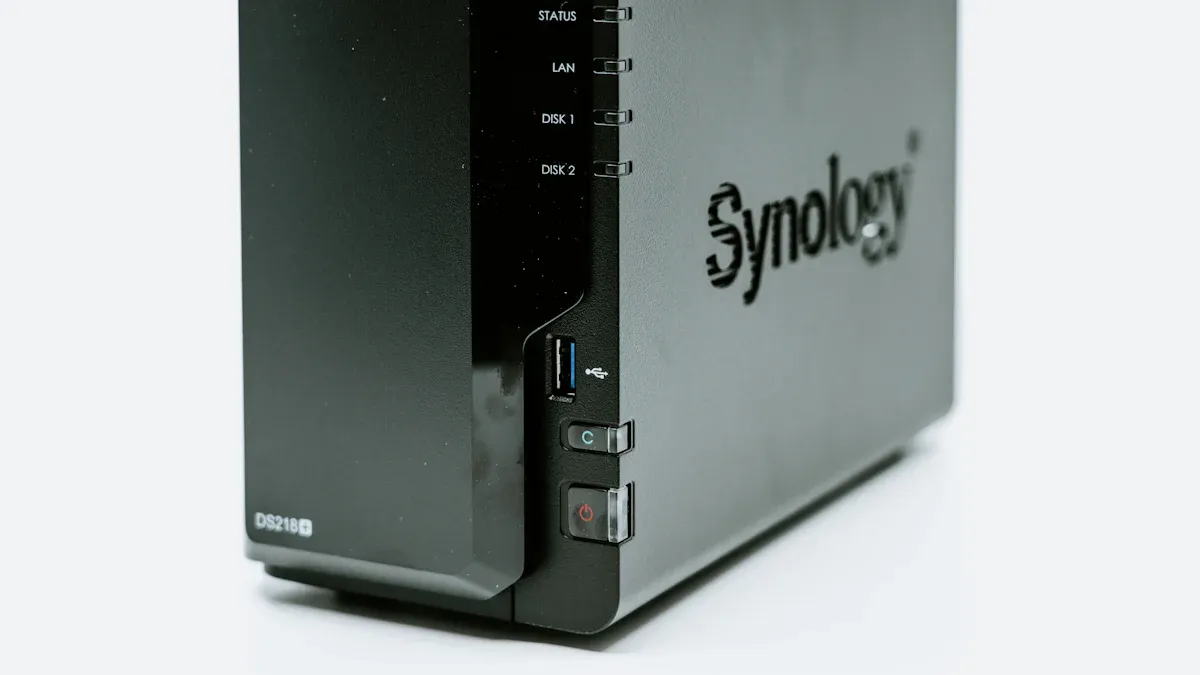
NAS devices store files on a network. This makes it easy for Plex to get media. Many NAS units have RAID or other ways to keep data safe. You can pick a simple NAS or a big one for lots of files.
A NAS like the XTT TS657V2 has lots of space and cool features. It can use up to 36 hard drives and many NVMe SSDs. This server is good for big Plex libraries. You can check on your NAS from anywhere with remote tools.
NAS devices are helpful because:
All media files are in one place.
You can share files with many devices.
They have ways to keep data safe.
Some NAS units are not very strong. This can make Plex slow, especially when changing media types. Pick a NAS with strong hardware for smooth streaming and safe storage.
Cloud and Manual Backups
Backups give extra safety for Plex media. You can use cloud backup or make copies on drives or other servers. Each way has good and bad sides.
Backup Method | الإيجابيات | السلبيات |
|---|---|---|
Cloud Backup | Low entry costs, scalable storage, accessible from anywhere, frequent backups minimize data loss. | Potential high costs for data recovery, limited storage availability, reliance on internet connectivity. |
Manual Backup | Physical control over data, no third-party access, immediate access without internet. | Requires significant capital investment, space for hardware, and ongoing IT support. |
Cloud backups save files online. You can get your data from anywhere, but you need a good internet connection. Manual backups use drives or servers you own. You control your data, but it takes more work and planning.
Using RAID, NAS, and backups together is the best way to keep Plex media safe. The XTT TS657V2 makes this easy. It supports big storage, fast SSDs, and remote checks. You can set up automatic backups and watch your system to keep Plex safe.
Tip: Make backups often and test them. This helps keep your media safe and easy to get, even if something goes wrong.
Setup Steps
Setting up a Plex server that is reliable takes planning. You need to pay attention to each step. The steps below help you pick hardware, install it, set up storage, automate backups, and connect Plex.
Hardware Installation
Picking good hardware is very important. Your server should match your library size and how many people use it. The table shows what hardware is best for different users:
User Type | CPU Recommendation | Hard Drive Recommendation | Memory Recommendation |
|---|---|---|---|
Small (1-5 Active Users) | Intel E3-1220 V1 | 1TB HDD | 8GB RAM |
Medium (5-15 Active Users) | Intel E3 1240 V3 | 2TB HDD | 32GB RAM |
Large (15+ Active Users) | Intel Xeon W-2125 | 2TB HDD | 32GB RAM |
If your library is big or growing, enterprise servers like the XTT TS657V2 are great. This server can use up to 36 hard drives and many NVMe SSDs. It is good for storing lots of media. You can upgrade it easily as your library gets bigger.
Hot-swappable drives help keep your server running. You can change a broken drive without turning off the server. This means you always have access to your media. This is important if you need your server all the time. Advanced RAID recovery helps protect your data, even if you remove a drive by accident.
Tip: Pick servers with hot-swappable drives and remote management. This makes your server more reliable and helps avoid downtime.
RAID/NAS Configuration
After you install your hardware, set up your storage for safety. RAID and NAS both help protect your data if a drive fails. The XTT TS657V2 works with many RAID levels, like RAID 1, 5, 6, and 10. Choose the RAID level that fits your needs for speed, space, and safety.
RAID 1 copies your data for simple safety.
RAID 5 and 6 use parity to keep data safe if one or two drives fail.
RAID 10 mixes copying and splitting data for speed and safety.
NAS devices put all your media in one place. They let you share files on your network. When you set up a NAS, turn on safety features and set user permissions. The XTT TS657V2 has remote tools. You can plan maintenance, backups, and updates when people are not using the server. This keeps things running well and does not stop media access.
Automated Backups
Automatic backups protect your Plex library even more. You can make scripts to save your settings and media files. Here are the steps for backing up a Windows Plex server:
Find where Plex saves its settings, usually at
C:UsersUSERNAME_HEREAppDataLocalPlex Media Server.Make a backup folder on another disk, like
D:Backups.Write a script with
xcopyto copy files from Plex to the backup folder.Save this script as
BackupPlexData.bat.Make another script for database backups and call it
BackupPlexDatabase.bat.Use Windows Task Scheduler to run these scripts automatically.
Automatic backups make sure your newest data is always safe. Test your backups often to make sure you can get your files back if needed.
Plex Integration
When your hardware and storage are ready, connect Plex to your setup. Install Plex Media Server on your hardware. During setup, tell Plex where your NAS or RAID media files are. Set Plex to scan for new content automatically.
Remote management, like with the XTT TS657V2, makes maintenance easy. You can:
Pick times to start and stop maintenance.
Do maintenance when people are not using Plex, like at night or while you are away.
These steps help keep your Plex server healthy. They make sure Redundant Storage for Plex Servers keeps your media safe and working well.
الصيانة المستمرة
Health Checks and Alerts
Doing regular maintenance helps Plex servers work well. Administrators need to check the server often to stop problems before they happen. Some important jobs are:
Back up watched, unwatched, and progress viewstates for libraries.
Make the database run better.
Remove leftover pieces from deleted library items.
Update local metadata for new subtitles and artwork.
Do normal library updates.
Keep media analysis up to date.
Add new concert info and popular songs to music libraries.
Monitoring tools help administrators know if the server is healthy. Tautulli is a favorite tool for many Plex users.
Tool | الميزات |
|---|---|
Tautulli | Watches server performance, user activity, viewing history, and media info. Sends alerts and does actions when people play things. |
Tip: Turn on alerts to get messages about drive health, storage space, and strange activity. Getting warnings early can stop data loss.
Restore Testing
Testing backups makes sure data is safe and easy to get back. Administrators should not just hope backups work. Good restore testing has a few steps.
المكوّن | Implementation Steps | Verification Method |
|---|---|---|
Data Validation | Use input rules and formatting checks | Use automatic checksums |
Backup Schedule | Do daily small and weekly big backups | Test if you can restore them |
Recovery Testing | Try recovery every month | Write down if it works |
Testing restores often helps find problems early. Automatic checksums make sure data is correct. Practice shows if recovery plans really work.
Storage Upgrades
Media libraries get bigger as time goes on. Administrators should plan upgrades before running out of space. The XTT TS657V2 server can use up to 36 hard drives and many NVMe SSDs, so adding more is easy. Hot-swappable drives let you upgrade without turning off the server. Remote tools make it simple to add or change drives from anywhere.
Note: Do upgrades when fewer people are using the server. Always back up your data before changing hardware.
استكشاف الأخطاء وإصلاحها
Drive Failures
Drive failures can stop Plex servers and put media libraries at risk. Administrators need to act fast to keep data safe and get things working again. If a drive fails in a RAID server, these steps help save data and cut down on lost time:
Assess the Situation First: Administrators should check if one drive failed or if the RAID setup is broken.
Stop Using the Server: Turning off the server stops more damage and keeps data from being lost.
Check the RAID Health: Look at the RAID status to see if it is damaged or not working at all.
Try Recovery Software: Use RAID recovery software on another computer to try to get back lost data.
RAID Rebuild (For Simple Failures): If just one drive failed, put in a new one and rebuild the RAID using parity to fix it.
⚠️ نصيحة: Always have extra drives ready to swap in quickly. Hot-swappable bays, like those in the XTT TS657V2, let you change drives without turning off the server.
A RAID setup that is checked often helps stop data loss. Regular checks and alerts help find problems early.
Plex Access Issues
Sometimes users cannot get into Plex libraries. These problems can come from network trouble, permission changes, or software updates. Administrators should use clear steps to fix access problems:
Check Network Connections: Make sure all cables and switches work. Restart routers if you need to.
Verify User Permissions: Check that users have the right access to media folders.
Review Plex Server Status: Make sure Plex is running and updates did not break anything.
Clear Cache and Restart: Clearing the Plex cache and restarting the server can help users get access again.
Monitor for Software Conflicts: Look for other apps that might block Plex or use the same ports.
🛠️ ملاحظة: Keeping Plex and server software up to date helps stop many access problems. Administrators should plan updates and watch for user feedback about new issues.
Troubleshooting helps Plex servers work well and lets users keep watching their media without problems.
Redundant storage helps keep Plex media libraries safe from losing data. Important steps are making extra copies of files, checking if drives are healthy, and watching the temperature. Doing regular jobs like backing up the database and cleaning the cache helps the server work well.
Task Description | الغرض |
|---|---|
Backup database every three days | Stops data loss and keeps files safe. |
Optimize database every week | Makes the server run better and faster. |
Remove old cache files every week | Keeps the server quick and working well. |
Hardware that can grow, like Intel Quick Sync Video and NVIDIA GPUs, helps big libraries and smooth streaming. Administrators should check storage needs often and get better hardware as the library gets bigger.
الأسئلة الشائعة
What is redundant storage and why does Plex need it?
Redundant storage means you keep extra copies of your data. Plex uses it to protect your media if a drive fails or you delete something by mistake. This helps you not lose your movies, shows, or music.
How often should users back up their Plex media libraries?
Users should back up their Plex media libraries every week. Backing up often keeps new content safe. It also makes it easier to get your files back if something goes wrong.
Can users mix different hard drive sizes in a RAID setup?
RAID works best when all drives are the same size. If you mix sizes, you might waste space or make things slower. Some RAID controllers let you mix sizes, but you should check if it works before you try.
What makes the XTT TS657V2 a good choice for Plex storage?
إن XTT TS657V2 has lots of space and hot-swappable drives. It also lets you manage the server from anywhere. These features help you add more storage, change drives easily, and watch your server even when you are not home.