
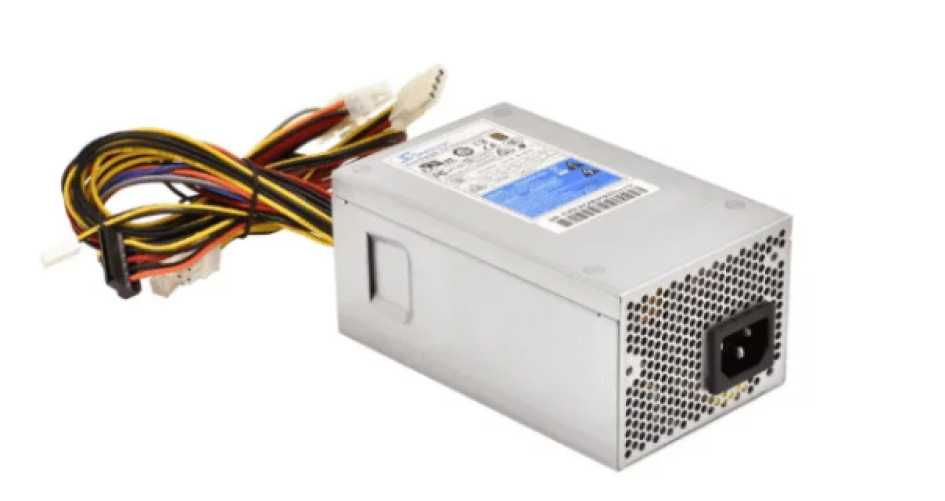
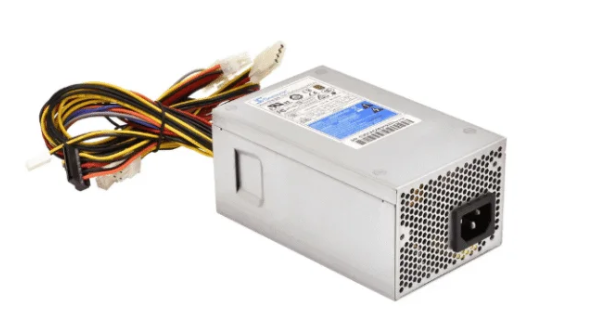
Many companies pick modular server power supply units. These units are flexible and reliable. Hot-swappable PSUs help servers stay on longer. About 55% of companies use them. They can be up to 96% efficient. This helps businesses use less energy. People choose the right PSU for their server needs. This can be for data centers, small businesses, or cheaper builds. Good cable management and airflow matter too. They help make servers work better and last longer.
Principales conclusiones
Modular power supply units give you more choices. You can use only the cables you need. This helps air move better and keeps things tidy inside the server.
Non-modular power supply units cost less money. They are simple to set up. They work well for small businesses that want good performance without spending a lot.
Keeping cables neat is very important. Tidy cables help air move and keep servers cool. This helps servers work well.
Think about what you might need later when picking a power supply. Modular units make upgrades easy. Non-modular units are best for setups that do not change much.
Always look at power efficiency ratings. Better efficiency can save you money on energy over time.
Server Power Supply Unit Types
Server power supply units have different types. Each type works for different server jobs. The main types are based on how they handle cables and modules.
Tipo | Descripción |
|---|---|
Single Power Supply | Gives power from one source. This type is good for small setups where backup is not needed. |
Redundant Power Supply | Has more than one module. If one stops working, the others keep the server on. This helps the server stay up longer. |
Common Redundant Power Supply | Uses small, hot-swappable modules. These fit standard servers and make them more reliable. |
Modular Power Supply Overview
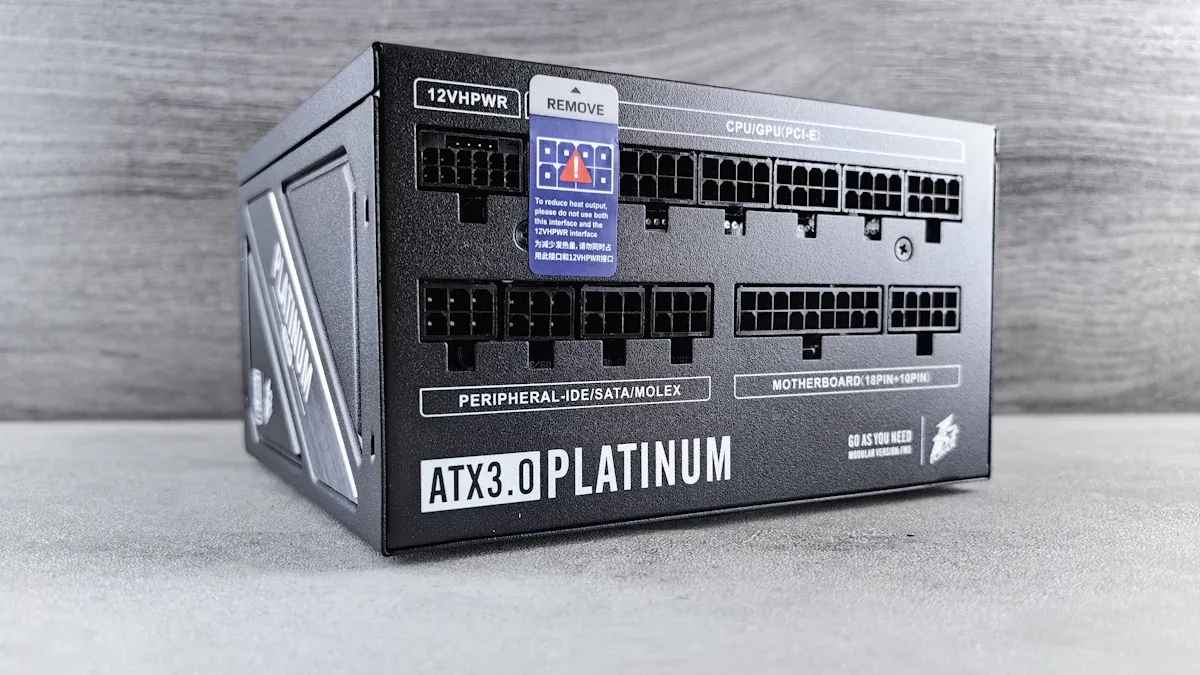
A modular power supply lets users control their server setup. They can use only the cables they need. This keeps the inside of the server neat. Modular units have many good points:
Users can change the unit for different server jobs.
Cables that come off make fixing things easier and give more options.
Many outputs give power to different parts.
Fewer cables mean better airflow and cooling.
Cleaning is easy because you can unplug the PSU side.
You can add more later and still save money.
Many data centers pick modular power supply units for their flexibility. These units are great for places with lots of servers. Some people also use semi-modular power supply models. These have some cables that stay and some that come off, so you get both easy use and more choices.
Non-Modular Power Supply Overview
A non-modular power supply unit has all its cables attached. You cannot take off or swap the cables. This type is good for simple server builds. Non-modular units usually cost less than modular ones. They are easy to install. Many small businesses and people who want to save money use non-modular power supply units because they are simple and work well.
Semi-modular power supply units are also out there. They are in the middle. Some cables stay on, and some can be removed. This helps people who want a little more choice but still want things simple.
Tip: Pick the right server power supply unit for your server’s space and future needs. Modular, non-modular, and semi-modular power supply units all have good points for different uses.
Modular Power Supply: Key Benefits
Cable Management Advantages
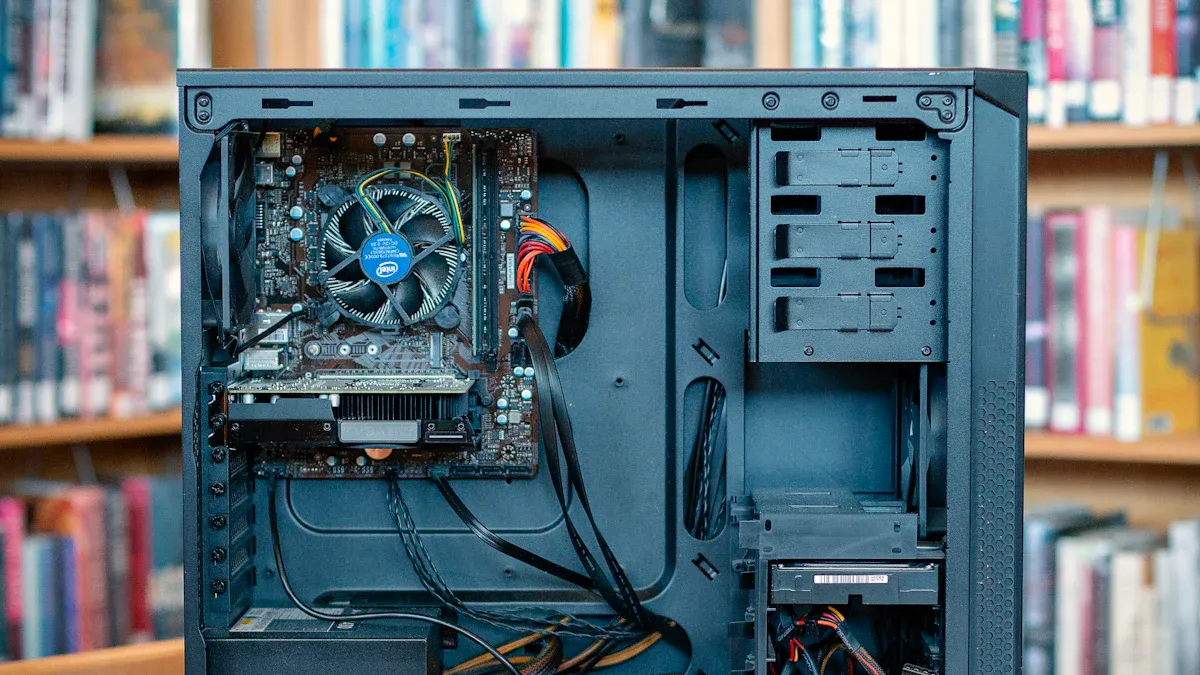
A modular power supply helps people organize cables better. You only use the cables you need for your server. This means there is less mess inside the case. It is easier to keep cables neat and tidy.
Modular PDUs make it simple to add or change parts without turning off the server.
The plug-and-play design lets you change cables as you need them.
You can fix or upgrade one part without stopping the whole system.
When cables are neat, air moves better inside the server. This helps the server stay cool and work well. Technicians can find and change cables faster when everything is organized. This saves time when fixing or upgrading things.
Tip: Keeping cables neat can stop overheating and make upgrades easier.
Airflow and Cooling
Modular power supply units help air move better in server racks. Fewer extra cables block the fans and vents. Air can flow easily, so the server stays cooler. Cooler servers work better and last longer.
With a modular setup, it is easy to see dust or dirt that could block air. Clean air paths help the server run well. Data centers like modular power supply units for this reason. They want their equipment to stay cool and work all the time.
Maintenance and Upgrades
Modular power supply units make fixing and upgrading easier.
Modular ESTEL PDUs let you change things as your server room grows.
You can add or swap out modules without changing the whole system.
Custom setups help keep things running as power needs change.
Modular designs make it easy to add more power as your business grows.
This saves money and time when you upgrade, so work does not stop.
Technicians can change broken parts fast. They do not have to turn off the whole server. This keeps the server working and protects data. Businesses like modular power supply units because they can upgrade as technology gets better. The modular way helps companies grow and keeps servers working well.
Non-Modular Power Supply: Key Benefits
Eficiencia de costes
Non-modular server power supply units are good for saving money. They cost less than modular ones. Many small businesses pick them to spend less. The table below shows how much each type costs:
Tipo | Comparación de costes |
|---|---|
Non-Modular PSU | Lower price, good for budgets |
Modular PSU | Higher price, better quality |
Non-modular units help companies keep costs low. They still work well and do their job. A lower price does not mean they are not efficient. Some non-modular models have high efficiency ratings. This makes them a smart pick for people who want to save money and get good performance.
Installation Simplicity
Non-modular power supply units are easy to install. All the cables are already attached. Users do not need to match cables. This saves time and makes things simple. Beginners find this design less confusing. The table below shows how installation compares:
Power Supply Type | Installation Complexity | Installation Time |
|---|---|---|
Non-Modular | Simple | Rápido |
Modular | Harder | Slower |
Non-modular PSUs have cables that stay on, so setup is easy.
This helps people who are new to servers.
IT teams use non-modular units when they want quick setups. Fewer steps mean less work.
Reliability Factors
Non-modular power supply units are known for being reliable. Fixed cables help stop loose connections. This can prevent power problems later. Many data centers trust non-modular units for steady work. These units have fewer things that can break. That makes them dependable. If a business wants stable power and good efficiency, non-modular power supplies are a strong choice.
Note: Non-modular power supply units are still a reliable pick for many server setups.
Comparación de ventajas e inconvenientes
Modular Power Supply: Pros
A modular power supply has many good points for servers. People like how well it is made and how it looks. These units give steady power and can have backup power. This helps servers keep running without stopping. Many models come with long warranties, sometimes up to ten years. The modular design uses strong cables and Japanese capacitors. These parts make the unit last longer and work better. Some units have eco modes and stay quiet when not working hard.
Pros |
|---|
Exceptional build quality |
Useful software package |
High quality design |
Stable power delivery |
Flawless redundancy |
5 year warranty |
Lovely external finish |
10 year warranty |
100% Japanese capacitors |
High levels of efficiency |
Solid load regulation |
Quality cabling |
Eco mode |
Fully modular |
Quiet under normal load |
These things make modular units different from other types. The modular style helps keep cables neat. This makes air move better and keeps the server cool. Servers work better and last longer this way. Many data centers pick modular power supply units because they are flexible and reliable.
Modular Power Supply: Cons
Modular power supply units also have some bad points. Some modular prefab data centers do not meet earthquake rules. This means they cannot be used everywhere. Companies that want special setups may think modular designs are too basic. It is hard to build big data halls with modular units in tall buildings.
Modular prefab data centers may not meet earthquake rules.
Some companies think modular designs are too basic for custom needs.
Big data halls are harder to build with modular units in tall buildings.
These things can make it harder to use modular units in some places. Even though modular units work well, people should think about these things before picking them for their server.
Non-Modular Power Supply: Pros
Non-modular server power supply units have many good sides. They cost less than modular ones, so businesses save money. All the cables are already attached, so setup is easy. This design makes things less confusing and faster to set up. Non-modular units often work well and have fewer parts that can break. Many small businesses and people who want to save money like non-modular units because they are steady and simple to use.
Non-modular units also give steady power. Cables that do not come off help stop loose connections. This keeps the server working well. These things make non-modular units a good pick for people who want something they can count on.
Non-Modular Power Supply: Cons
Non-modular power supply units have some problems too. You cannot add as many cards because there is less room. The smaller size can make it hard to keep things cool. This can make the server get hotter. Big parts may need special ways to fit inside the case. Some server cases do not fit all power supply units.
Disadvantage | Explicación |
|---|---|
Limited Expansion | Fewer slots restrict multiple card installations. |
Cooling Challenges | Smaller size can lead to higher temperatures. |
Component Fitment | Larger components may require creative solutions. |
Power Supply Limitations | Some cases limit PSU options. |
These things can make it harder to fix or upgrade later. Non-modular units may not be as easy to upgrade as modular ones. People should think about these things when picking a server power supply unit.
Use Cases for Server Power Supply Units
Data Centers and Enterprise Servers
Big data centers and enterprise servers need power that does not fail. They use special power supply units to handle lots of work. These places need systems that can grow and save energy. Three-phase power gives more power and works better for large server rooms. Single-phase power is good for smaller setups. The table below shows how each type is used:
Característica | Single-phase power | Three-phase power |
|---|---|---|
Voltage | 120V or 240V | 208V or 415V |
Power capacity | Baja | Más alto |
Power distribution | Small equipment | Large servers |
Eficacia | Baja | Más alto |
Escalabilidad | Limitado | Escalable |
Industry applicability | Large data centers, enterprise |
Many data centers pick modular server power supply unit models. These units make upgrades and repairs simple. For example, the 1200AB-16 S and 2U H2U models give strong power and keep things cool. Custom power supply units help with special needs in big companies.
Small Business and Budget Builds
Small businesses want to save money and space. They choose custom power supply units that fit their needs. Non-modular server power supply unit models are good for these jobs. They are easy to set up and work well. The table below shows what matters for small business builds:
Característica | Descripción |
|---|---|
Diseño compacto | Fits limited spaces |
Basic Monitoring | Tracks energy use |
Facilidad de uso | Simple installation |
Durabilidad | Lasts longer, reduces replacement costs |
Eficiencia energética | Saves money over time |
Compatibilidad | Matches server requirements |
Models like the 1U H1U and 1U L1U are small and save energy. These units help small businesses spend less and still get good results.
Space-Constrained and Specialized Servers
Some servers have to fit in small spots or do special jobs. Custom power supply units are important in these places. Servers in tight spaces use 1U models to work better. Special servers may need extra features to stay steady and fast. The table below gives real examples and how they fit:
Model Name | Características |
|---|---|
Dell PowerEdge R630 | Multiple processors, drive bays, PCIe |
HPE ProLiant DL360 Gen11 | High performance, flexible expansion |
Supermicro SuperServer 1029U-TN10RT | Efficient design, advanced cooling |
Lenovo ThinkSystem SR630 V2 | Reliable, scalable, compact |
Special models like the AC 148 and AC 171G give custom power for special server designs. These units help servers stay steady and work well in tough places.
Tip: Picking the right custom power supply helps servers work well anywhere.
Choosing a Server Power Supply Unit
Decision Factors
Picking the right server power supply unit is important. It can change how well the server works and how long it lasts. Companies think about many things before they decide. Modular units are good if you want to upgrade often or need special setups. These units help keep cables neat, which lets air move better and keeps things cool. Non-modular units are better for companies that do not change much and want steady work. They usually cost less and are fast to put in.
A custom power supply can fit special server needs. IT teams look at what the server will do, how much money they have, how much space there is, and what they might need later. Modular units make it easy to upgrade and save time. Non-modular units are good for simple jobs. Both types should have enough power and be efficient so the server works well.
Tip: Always check how much power and how efficient the unit is before you pick a custom power supply. This helps the server run well and saves energy.
Companies also look at how hard it is to set up. Modular units take more time because you have to plug in each cable. Non-modular units have all the cables already on, so setup is faster. If a business is growing, modular power supplies make it easy to add more later. For small offices, non-modular units give steady work and cost less.
Summary Table: Modular vs Non-Modular
Característica | Modular Power Supplies | Non-Modular Power Supplies |
|---|---|---|
Flexibilidad | High flexibility with individual cables | Fixed cables limit adaptability |
Gestión de cables | Organized cables, better airflow | Messy cables can block airflow |
Coste | Higher price | More budget-friendly |
Installation Complexity | More complex, needs careful setup | Simple, quick installation |
Aesthetic Appeal | Neat appearance, fewer cables visible | Can look untidy with extra cables |
Rendimiento | Supports upgrades, strong efficiency | Reliable for basic needs |
Custom Power Supply Fit | Easy to match unique server needs | Suits standard server builds |
A custom power supply from a trusted brand like sz-xtt gives good performance and is reliable. Their products include both modular and non-modular units for any server. Companies can pick what fits best and plan for the future.
Picking between modular and non-modular server power supply units depends on what your server needs. Modular units help keep cables neat and let air move better. This makes servers work well and last longer. Non-modular units cost less and are easy to set up. When you choose a PSU, think about these things:
Cost: High efficiency means you spend less money over time.
Cable Management: Neat cables help your system stay strong.
Server Environment: Redundant power supplies are important for key systems.
Modular designs can help servers run longer and make upgrades cheaper. Always look at how much power you need, check safety features, and ask experts before you pick one.
PREGUNTAS FRECUENTES
What is the main difference between modular and non-modular server power supply units?
Modular units let you use only the cables you need. Non-modular units have all their cables already attached. Modular designs help keep cables neat and help air move better.
Which type of power supply unit works best for small businesses?
Most small businesses pick non-modular units. These units cost less and are fast to set up. They give steady power for simple server jobs.
How does cable management affect server performance?
Keeping cables neat helps air move inside the server. Good airflow keeps the server cool. Cool servers last longer and work better.
Can users upgrade modular power supply units easily?
You can upgrade modular units by adding or changing cables. You do not have to replace the whole unit. Modular designs make it easy to grow later.
Where can users find reliable server power supply units?
You can visit sz-xtt’s website to find trusted fuentes de alimentación para servidores. The brand has both modular and non-modular choices for different needs.
Tip: Always look at the product details before you buy a server power supply unit.