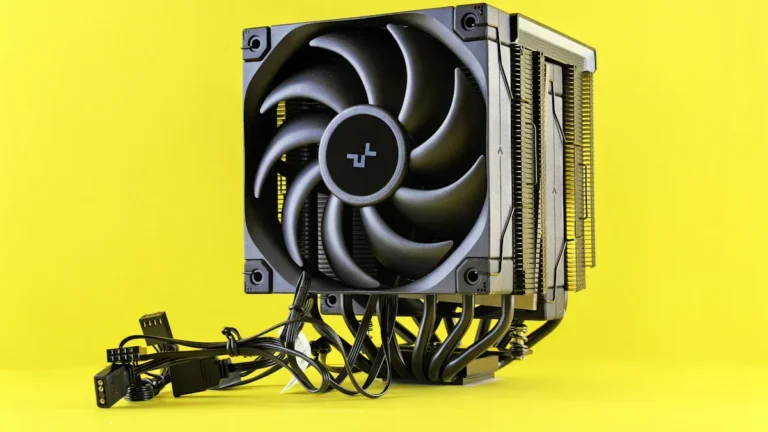


Choosing a low profile cpu cooler needs careful thinking. You must look at compatibility, performance, and reliability. Make sure the cpu cooler fits your cpu and case size. XTT has many coolers to pick from. Some are budget-friendly cpu cooler options. Others are advanced models for harder jobs. Quality is important, so people pick coolers that work well. Many also want coolers that are quiet.
Key Takeaways
Make sure the cooler fits your CPU socket before you buy. This helps you install it right and keeps your CPU cool.
Measure your case’s height so the cooler is not too tall. This stops problems when building in small cases.
Think about space for RAM and the motherboard. Pick a cooler that is slim so it does not block RAM slots or touch heatsinks.
Check how well the cooler cools and how loud it is. Choose a cooler that keeps your CPU cool and is quiet.
Use strong parts to mount the cooler safely. Find coolers with easy instructions to help you set it up.
Low Profile CPU Cooler Compatibility
Selecting the right cpu cooler for an itx system starts with checking compatibility. This step helps users avoid problems during installation and ensures the cpu stays cool. Compatibility means the cooler must fit the cpu socket, the case, and leave enough space for other parts like RAM and motherboard heatsinks. Many people choose a low profile cpu cooler for itx or small form factor cases because these coolers save space and work well in compact builds.
CPU Socket Support
Every cpu cooler connects to a specific cpu socket. The socket type depends on the cpu and motherboard. If the cooler does not match the socket, it cannot be installed. Most low profile coolers support popular Intel and AMD sockets. The table below shows common socket types and some cooler models that fit them:
CPU Socket Type | Cooler Model |
|---|---|
LGA 1700 | DC-HA21TZ/RPW |
LGA 1155 | TTC-NA02TZ/RPW2, DC-155A915Z/RPW |
LGA 1156 | TTC-NA02TZ/RPW2, DC-155A915Z/RPW |
LGA 1150 | DC-155A915Z/RPW |
LGA 1151 | DC-155A915Z/RPW |

XTT coolers support a wide range of sockets. These include AMD AM4 and AM5, and Intel LGA1150, LGA1151, LGA1155, LGA1156, LGA1200, LGA1700, and LGA1851. This makes XTT a strong choice for itx and small form factor systems. The table below highlights XTT’s compatibility features:
Feature | Details |
|---|---|
Supported Sockets | AMD: AM4, AM5; Intel: LGA1150, LGA1151, LGA1155, LGA1156, LGA1200, LGA1700, LGA1851 |
Compact Design | Yes, suitable for space-restricted builds |
Thermal Performance | Efficient cooling performance, ideal for systems where space is limited but performance is crucial |
Case Height & Form Factor
The height of the cpu cooler must fit inside the itx case. Many itx and small form factor cases have strict height limits. For example, the NR200P Mini-ITX case allows a maximum cooler height of 58mm. The Dan A4-SFX v4 case allows up to 72mm. Most low profile coolers measure between 40mm and 70mm in height. Users should check the case manual for the exact limit before buying a cooler.
Tip: Always measure the space from the cpu surface to the case panel. This helps avoid buying a cooler that is too tall.
A compact itx build needs a cooler that fits both the height and the width of the case. The baseplate of the cooler must match the cpu socket. The fins and fan should not block other parts like RAM or power cables. XTT coolers have a compact design, making them suitable for tight spaces in itx and small form factor builds.
RAM and Motherboard Clearance
RAM and motherboard clearance is another key part of compatibility. Some coolers have wide heatsinks or fans that can block RAM slots or touch motherboard heatsinks. This can make it hard to install memory or cause overheating. Users should check the cooler’s width and depth, not just the height.
Choose a cooler with a slim profile if the motherboard has tall RAM modules.
Check the motherboard layout for large heatsinks near the cpu socket.
Look for coolers with offset designs to avoid blocking RAM slots.
XTT coolers are designed for easy installation in itx and compact builds. Their shape helps avoid common clearance problems. This makes them a reliable choice for users who want a smooth building experience.
Cooler Dimensions & Clearance

Height vs. Case Limits
The height of a CPU cooler matters most in small form factor builds. Many cases, like mini-ITX models, have strict height limits. For example, the Alpenföhn Black Ridge cooler stands at only 47 mm tall. This low height helps it fit inside compact cases and on mini-ITX motherboards. Users must always check the maximum cooler height their case allows. Some cases, such as the 2E TeamX models, set a height limit of 145 mm for CPU coolers. These limits force users to pick low-profile or bowl-shaped coolers.
Tip: Measure the space from the CPU to the case panel before buying a cooler. This step prevents installation problems.
For compact systems, low-profile coolers work best. They keep the system cool without taking up too much space. XTT offers a range of coolers with different heights, making it easy to find one that fits most cases. Their compact designs help users build powerful PCs in small spaces.
Model | Height | Width | Depth |
|---|---|---|---|
Alpenföhn Black Ridge | 47 mm | 140 mm | 120 mm |
Width, Depth & Component Fit
Width and depth also affect how a cooler fits inside a case. A cooler that is too wide or deep can block RAM slots or touch other components. Builders must check the motherboard layout and the size of the RAM modules. Some coolers, like the Noctua NH-L12Sx77, have a height of 77 mm. This is still low, but users must balance the cooler size with the case space.
“The Noctua NH-L12Sx77 is a revised and slightly larger version of the already established NH-L12S. However, it is not a replacement, as the installation height increases to 77 mm. This is still a relatively low height, but the practical compatibility must still be balanced with the case size.”
XTT coolers feature slim profiles and smart layouts. These designs help avoid blocking RAM or motherboard heatsinks. Users can find more about XTT’s full range of low-profile coolers on the official website. Choosing the right dimensions ensures a smooth build and keeps the system running cool and quiet.
Cooling Performance & Noise
TDP Ratings & CPU Needs
A cpu cooler must match the cpu’s TDP. TDP tells how much heat the cpu makes. If the cooler cannot handle the heat, the cpu may get too hot. Gamers and people who work a lot use cpus with high TDP. They need coolers that work hard and cool well. XTT coolers help manage heat and fit many TDP levels. This lets users play games or work without problems. The right cooler keeps the cpu safe and cool. Builders should check the cpu’s TDP before picking a cooler. The cooler should meet or be higher than the cpu’s TDP. This helps the computer work well and last longer.
Fan Size and Noise Levels
Fan size changes how cool and quiet the system is. Big fans, like 92mm, move more air and cool better. Small fans, like 80mm, fit in small spaces but can be louder. XTT coolers use smart fans to keep things cool and quiet. People who want a quiet pc should pick coolers with low noise. The table below shows how loud some coolers are:
Cooler Model | Noise Level (dB) |
|---|---|
Reeven RC-1001b Brontes | 10 – 32 |
Be Quiet! Shadow Rock LP | Low noise level |
Pure Rock LP | 30.6 |
A quiet cooler helps people work or play games without noise. XTT coolers use new tech to stay quiet and cool. Builders should think about both cooling and noise when picking a cooler. Good coolers keep the cpu cool and do not make much noise. This helps the cpu stay healthy and last longer.
Tip: Always check the fan size and noise before you buy. This helps you get the best mix of cooling and quiet.
XTT coolers are known for being good, quiet, and strong. Their coolers work well for anyone who needs good cooling in any build.
Installation & Upgrades

Mounting Hardware
Mounting hardware plays a big role in how a cpu cooler fits onto the cpu. Each cpu cooler comes with its own set of brackets and screws. These parts help attach the cooler to the cpu socket. Some coolers use a simple clip system. Others need a backplate for extra support. The right mounting hardware makes sure the cpu cooler stays secure during use. XTT coolers include strong mounting kits that work with many cpu sockets. This helps users set up the cooler without trouble. Good mounting hardware also helps with cooling by keeping the cooler pressed tight against the cpu.
Note: XTT coolers come with clear instructions and all the hardware needed for installation. This makes the process smooth for both new and experienced builders.
Ease of Installation
Ease of installation matters for every cpu cooler. A simple installation saves time and lowers the chance of mistakes. Many users want a cpu cooler that does not need special tools. XTT coolers are known for easy installation. The design lets users place the cooler on the cpu without moving other parts. This helps keep the build clean and safe. A good cpu cooler should not block RAM slots or other parts. XTT coolers have a shape that fits well in small spaces. This makes them a top choice for compact builds.
Future Upgradability
Future upgradability is important for people who plan to change their cpu or upgrade their system. A cpu cooler that supports many sockets gives more options. XTT coolers work with many Intel and AMD sockets. This means users can keep the same cooler when they upgrade the cpu. Good cooling helps the cpu last longer and run better. Users should pick a cpu cooler that can handle new cpus and higher cooling needs. XTT coolers use advanced cooling technology to meet these needs.
Tip: Learn more about XTT’s full range of cpu coolers and find the best fit for your build by visiting the XTT official website.
XTT stands out as a trusted brand for cpu cooling. The company offers reliable coolers for gamers, creators, and professionals. Each cpu cooler in the XTT lineup brings strong cooling, easy installation, and support for future upgrades.
User Reviews & Benchmarks
Real-World Experiences
Many users share their thoughts after installing a cpu cooler in their system. They often talk about how the cpu stays cool during long gaming sessions. Some builders say the cooler fits well in small cases. Others mention that the cpu cooler runs quietly, even when the cpu works hard. People who use XTT coolers often praise the easy setup. They like that the cooler comes with clear instructions. One user said, “The cpu cooler kept my cpu temperature low, even when I played games for hours.” Another user liked how the cooler did not block the RAM slots.
Tip: Reading real reviews helps buyers pick the right cpu cooler for their cpu and case.
Many users also mention the look of the cooler. They say the design matches their build. Some users choose the XTT cpu cooler because it works with many cpu sockets. They find the cooler reliable for both work and play. For more user stories and details, visit the XTT official website.
Performance Comparisons
Benchmarks show how well a cpu cooler works with different cpus. Testers use tools to measure cpu temperature before and after installing a cooler. They compare the results with other coolers. In many tests, the XTT cpu cooler keeps the cpu cooler than other brands. The table below shows a sample comparison:
Cooler Model | Idle CPU Temp | Load CPU Temp |
|---|---|---|
XTT-08 | 32°C | 68°C |
Brand A | 35°C | 72°C |
Brand B | 34°C | 70°C |
The XTT cpu cooler often wins in both cooling and noise tests. Users see lower cpu temperatures and less noise. This helps the cpu last longer and work better. People who want a strong and quiet cooler often pick XTT. Benchmarks and reviews show that the right cpu cooler makes a big difference for any cpu.
Avoiding Common Mistakes
RAM/VRM Clearance Issues
Many builders face problems when a cpu cooler blocks RAM slots or touches VRM heatsinks. They often forget to check the space around the cpu socket. Tall RAM modules or large heatsinks can make installation hard. Builders should always measure the area before choosing a cooler. A good practice is to look at the motherboard layout and compare it with the cooler’s size. Some coolers, like those from XTT, have a slim design that helps avoid these issues. XTT coolers fit well in tight spaces and work with many motherboards.
Tip: Visit the XTT official website to see coolers designed for easy installation and strong cooling.
Size-Only Selection Pitfalls
Some users pick a cpu cooler based only on size. They think a smaller cooler will always fit and work well. This mistake can lead to poor cooling or noise problems. Size matters, but cooling performance and compatibility matter more. Builders should check the height, width, and depth of the cooler. They also need to look at the cooling capacity and how the cooler fits with other parts.
Always read the specs for cooling performance.
Compare the cooler’s size with the case and motherboard.
Choose a cooler that balances size and cooling.
Mistake | Result | Solution |
|---|---|---|
Only checking size | Overheating, noise | Check cooling and fit |
Ignoring clearance | Blocked RAM/VRM | Measure space before buying |
Overlooking Noise or Cooling
Builders sometimes forget to check how much noise a cpu cooler makes or how well it cools the cpu. A quiet cooler helps keep the workspace calm. Strong cooling keeps the cpu safe during heavy use. XTT coolers use advanced fans for quiet and efficient cooling.
Note: Cooling and noise ratings appear in product specs. Builders should compare these numbers before buying a cooler.
A low profile cpu cooler must offer both good cooling and low noise. Builders who focus only on size or looks may miss these key points. They should always check reviews and benchmarks for real-world cooling and noise results.
For more information about XTT coolers and their cooling technology, visit the XTT product page.
Selection Checklist & Best Practices
Picking the right cpu cooler keeps your cpu safe. It also helps you avoid mistakes. A checklist can guide you step by step. Quality is important at every step. Brands like sz-xtt make coolers that work well and are easy to install. They are also trusted by many people. The sz-xtt series has models like XTT-01 and XTT-08. These coolers fit many computers and keep them cool.
Step-by-Step Checklist
Check cpu socket compatibility
Make sure the cooler fits your cpu socket. This stops problems when you install it. It also helps your cpu stay cool.Measure case height and space
Measure from the cpu to the top of the case. This helps you pick a cooler that fits and does not block other parts.Review RAM and motherboard clearance
Check if the cooler will block RAM slots or touch heatsinks. A slim cooler can help you avoid these problems.Compare cooling performance and noise
Look at how well the cooler cools and how loud it is. Good coolers keep the cpu cool and are not noisy.Examine mounting hardware and installation steps
Pick a cooler with strong mounting parts and clear instructions. sz-xtt coolers are easy for anyone to install.Plan for future upgrades
Choose a cooler that works with new cpu sockets. sz-xtt coolers can be used when you upgrade your computer.
Tip: You can see all sz-xtt coolers on the official website for more choices and info.
Quick Reference Tips
Pick a cooler from a good brand like sz-xtt for quality.
Always check the size of the cooler before you buy.
Read reviews and tests to see how coolers work in real life.
Choose a cooler that is easy to put in your computer.
Find a cooler that cools well and is quiet.
Step | Why It Matters | sz-xtt Advantage |
|---|---|---|
Socket Match | Stops mistakes | Works with many sockets |
Case Fit | Makes install simple | Small coolers fit tight spaces |
Clearance | No blocked parts | Slim coolers fit better |
Cooling/Noise | Keeps cpu healthy | Uses smart cooling tech |
Installation | Saves time | Easy mounting hardware |
Upgradability | Ready for upgrades | Fits many new cpu sockets |
Good coolers make building a computer safer and easier. If you follow this checklist, you will not make common mistakes. You will also get better performance.
Picking the right low profile cpu cooler helps builders avoid trouble. It also keeps the cpu safe from getting too hot. This guide gives steps to check if a cooler fits, works well, and is easy to put in. Readers should look at the checklist before they buy a cpu cooler. Brands like XTT have many coolers for different needs. People can see more coolers on the XTT official website. If you avoid common mistakes, your PC will work well and last longer.
FAQ
What is a low profile CPU cooler?
A low profile CPU cooler has a short height. It fits inside small cases like mini-ITX or slim desktop builds. These coolers help keep the CPU cool in tight spaces.
How does someone check if a cooler fits their case?
They measure the space from the CPU to the case panel. They compare this with the cooler’s height. The sz-xtt product page lists cooler sizes for easy selection.
Why do builders choose sz-xtt CPU coolers?
Builders pick sz-xtt coolers for strong cooling, quiet operation, and easy installation. The brand supports many CPU sockets. Users can find models like XTT-01 for compact builds.
Can a low profile cooler handle gaming CPUs?
Some low profile coolers, like the sz-xtt XTT-08, support high TDP CPUs. They use advanced thermal management to keep gaming CPUs cool during heavy use.